

Deep cleaning your home is essential for maintaining a healthy, comfortable, and inviting living space. Unlike routine cleaning tasks like vacuuming or wiping down counters, deep cleaning targets hidden dirt, allergens, and germs that accumulate over time in every room. For homeowners, determining how often to deep clean can be challenging, as each room has unique needs based on usage, traffic, and environmental factors. A well-planned deep cleaning schedule not only enhances your home’s hygiene but also extends the lifespan of your furnishings and surfaces. In this comprehensive guide, we provide a room-by-room breakdown of how often to deep clean your home, along with practical tips and a downloadable schedule to keep you on track. At Manar Facility Solutions, we’re here to help Florida residents achieve a spotless home with our professional janitorial services, tailored to your needs.
Why Deep Cleaning Matters
Deep cleaning goes beyond surface-level tidying, addressing areas that routine cleaning often misses, such as grout, air vents, and behind appliances. According to the Environmental Protection Agency (EPA), indoor air can be two to five times more polluted than outdoor air, largely due to dust, pet dander, and mold that accumulate in neglected areas. Regular deep cleaning offers several benefits:
- Improved Health: Removes allergens, bacteria, and mold, reducing the risk of allergies, asthma, and infections.
- Enhanced Home Longevity: Protects carpets, upholstery, and surfaces from wear and tear, saving on replacement costs.
- Better Air Quality: Eliminates dust and pollutants, creating a fresher indoor environment.
- Stress Reduction: A thoroughly clean home promotes mental clarity and comfort.
By following a room-by-room deep cleaning schedule, you can maintain a healthy home year-round. Our professional cleaning services at Manar Facility Solutionis make deep cleaning effortless, ensuring every corner of your home is hygienic and welcoming.
Room-by-Room Deep Cleaning Guide
Each room in your home has unique cleaning needs based on its function, traffic, and exposure to dirt or moisture. Below, we outline how often to deep clean each area, key tasks to focus on, and tips to maximize results.
1. Kitchen
How Often: Every 3–6 months for a full deep clean; monthly for high-use areas.
The kitchen is a high-traffic area prone to grease, food splatter, and bacteria, making regular deep cleaning essential to prevent foodborne illnesses and odors.
Key Tasks:
- Appliances: Clean inside and behind the refrigerator, oven, microwave, and dishwasher. Defrost the freezer if needed and descale small appliances like coffee makers.
- Cabinets and Pantry: Wipe down cabinet interiors and exteriors, removing grease and crumbs. Organize the pantry, discarding expired food.
- Sink and Disposal: Scrub the sink and disinfect the garbage disposal with baking soda and vinegar to eliminate odors and germs.
- Floors and Baseboards: Mop hard floors with a pet-safe cleaner and vacuum or steam clean under appliances. Dust baseboards to remove grease buildup.
- High-Touch Surfaces: Disinfect countertops, handles, and faucets with an eco-friendly cleaner.
Tips:
- Use a vinegar-based cleaner for grease removal to avoid harsh chemicals.
- Schedule deep cleaning after major cooking events, like holidays, to address splatter and spills.
- Ventilate the kitchen during cleaning to reduce moisture and prevent mold.
Pro Tip: Our kitchen deep cleaning services at Manar Facility Solutions use eco-friendly degreasers and steam cleaners to tackle tough grime, ensuring a hygienic food prep area.
2. Bathrooms
How Often: Every 3–4 months for a full deep clean; monthly for tiles and grout.
Bathrooms are susceptible to mold, mildew, and bacteria due to moisture, requiring frequent deep cleaning to maintain hygiene.
Key Tasks:
- Tiles and Grout: Scrub tiles and grout with a non-toxic cleaner to remove soap scum and mildew. Apply a grout sealer if needed.
- Fixtures: Clean and polish faucets, showerheads, and sinks to remove water spots. Disinfect toilets, including the base and bowl.
- Shower and Tub: Remove buildup from shower doors or curtains and clean drains to prevent clogs.
- Ventilation: Clean exhaust fans and vents to reduce moisture and mold growth.
- Mirrors and Cabinets: Wipe mirrors with a streak-free cleaner and clean cabinet interiors to remove dust and product residue.
Tips:
- Use a squeegee on shower glass after use to prevent buildup between deep cleans.
- Replace shower curtains or bath mats during deep cleaning for a fresh start.
- Check for leaks under sinks to prevent mold.
Pro Tip: Our bathroom cleaning services include grout restoration and mold prevention, keeping your bathrooms spotless and safe.
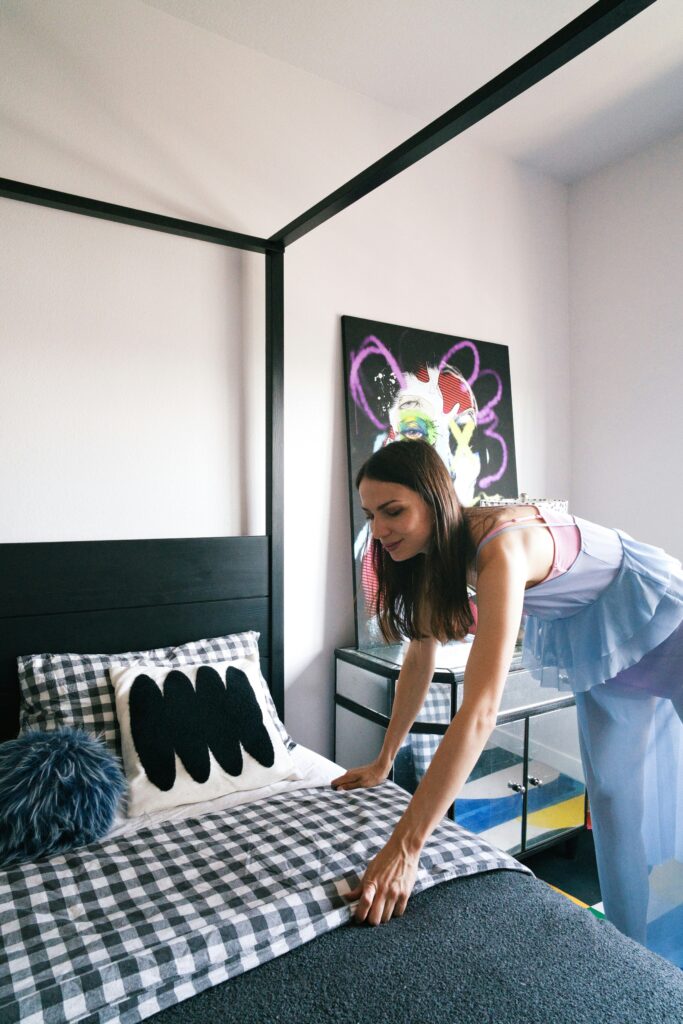
3. Bedrooms
How Often: Every 6 months for a full deep clean; quarterly for bedding and closets.
Bedrooms accumulate dust, pet dander, and allergens, especially in bedding and carpets, affecting sleep quality and air quality.
Key Tasks:
- Bedding: Wash pillows, duvets, and mattress covers in hot water to kill dust mites. Vacuum mattresses and flip or rotate them.
- Closets: Declutter and wipe down shelves, rods, and floors to remove dust. Organize clothing and donate unused items.
- Carpets and Rugs: Steam clean carpets or wash area rugs to remove embedded dirt and allergens.
- Windows and Blinds: Clean window sills, frames, and blinds to reduce dust and pollen.
- Furniture: Dust and polish dressers, nightstands, and headboards, focusing on corners and crevices.
Tips:
- Use a mattress protector to reduce allergen buildup.
- Vacuum under beds and furniture to capture hidden dust.
- Open windows during cleaning to refresh air.
Pro Tip: Our bedroom cleaning services include upholstery and carpet steam cleaning, ensuring a dust-free, restful environment.
4. Living Room
How Often: Every 6 months for a full deep clean; quarterly for upholstery and curtains.
Living rooms are high-traffic areas where dust, pet hair, and spills accumulate, requiring regular deep cleaning to maintain comfort.
Key Tasks:
- Upholstery: Vacuum sofas and chairs with an upholstery attachment. Steam clean or spot-treat stains with eco-friendly products.
- Curtains: Wash or vacuum curtains according to care instructions, or schedule professional cleaning.
- Carpets and Rugs: Steam clean carpets and wash or vacuum area rugs to remove dirt and allergens.
- Electronics: Dust TVs, remotes, and gaming consoles with a dry microfiber cloth to prevent buildup.
- Vents and Baseboards: Clean air vents and baseboards to reduce dust circulation.
Tips:
- Rearrange furniture during cleaning to access hidden areas.
- Use a HEPA vacuum to capture fine particles like pet dander.
- Declutter coffee tables and shelves to make dusting easier.
Pro Tip: Our living room cleaning services use advanced steam cleaners and HEPA vacuums to refresh your space, perfect for families and pet owners.
5. Dining Room
How Often: Every 6–12 months for a full deep clean; quarterly for furniture and rugs.
Dining rooms see less daily traffic but can accumulate dust, food crumbs, and stains, especially during gatherings.
Key Tasks:
- Furniture: Polish dining tables and chairs, focusing on crevices where crumbs collect. Clean upholstery or cushions if applicable.
- Rugs: Steam clean or wash area rugs under the dining table to remove food particles and stains.
- Lighting: Dust chandeliers or light fixtures to remove cobwebs and dust.
- Windows: Clean windows and sills to enhance natural light and reduce allergens.
- Floors: Mop hard floors and vacuum or steam clean carpets.
Tips:
- Use coasters and placemats to protect surfaces between deep cleans.
- Vacuum under the table after meals to prevent crumb buildup.
- Check for sticky spots on chairs from spills.
Pro Tip: Our dining room cleaning services include furniture polishing and rug cleaning, ensuring a pristine space for family meals.
6. Entryways and Hallways
How Often: Every 6 months for a full deep clean; quarterly for high-traffic areas.
Entryways and hallways are the first areas to collect dirt, dust, and debris tracked in from outside.
Key Tasks:
- Floors: Sweep, vacuum, and mop hard floors. Steam clean carpets or wash entryway rugs.
- Doormats: Shake out or wash doormats to remove dirt and debris.
- Walls and Baseboards: Wipe down walls for scuffs and dust baseboards.
- High-Touch Areas: Disinfect doorknobs, light switches, and railings.
- Storage: Clean and organize coat racks, shoe storage, or entryway tables.
Tips:
- Place washable mats at entry points to trap dirt.
- Encourage a no-shoes policy to reduce tracked-in debris.
- Vacuum high-traffic areas weekly to minimize dirt spread.
Pro Tip: Our entryway cleaning services focus on high-traffic zones, keeping your home’s first impression clean and welcoming.
7. Additional Areas (Basement, Garage, Laundry Room)
How Often: Every 12 months for a full deep clean; semi-annually for high-use spaces.
These areas are often overlooked but can harbor dust, mold, or clutter, affecting overall home hygiene.
Key Tasks:
- Basement: Dust surfaces, vacuum floors, and check for mold in damp areas. Declutter storage spaces.
- Garage: Sweep floors, clean shelves, and organize tools or equipment. Check for oil stains or spills.
- Laundry Room: Clean inside and around the washer and dryer, including lint traps. Wipe down surfaces and mop floors.
- Vents: Clean air vents to improve airflow and reduce dust circulation.
Tips:
- Use sealed storage bins to protect items from dust.
- Ventilate damp areas to prevent mold growth.
- Check for pest signs during cleaning.
Pro Tip: Our specialty cleaning services cover basements, garages, and laundry rooms, ensuring every part of your home is hygienic.

Deep Cleaning Frequency Factors
The frequency of deep cleaning depends on several factors:
- Household Size: Larger families or homes with kids generate more dirt, requiring more frequent deep cleans.
- Pets: Pet hair and dander necessitate quarterly deep cleaning in high-traffic areas.
- Allergies: Homes with allergy sufferers benefit from more frequent deep cleaning to reduce triggers.
- Location: Homes in dusty or humid climates, like [insert city/community], may need more regular deep cleans.
- Lifestyle: Frequent entertaining or heavy cooking increases the need for kitchen and dining room deep cleaning.
Pro Tip: Our team at Manar Facility Solutions assesses your home’s unique needs during a free consultation, creating a tailored deep cleaning schedule.
Downloadable Deep Cleaning Schedule
To help you stay organized, we’ve created a downloadable deep cleaning schedule that outlines tasks and frequencies for each room. This printable checklist ensures you never miss a spot and keeps your home consistently clean.
How to Use the Schedule:
- Download the schedule from our website.
- Print or save it to your device for easy reference.
- Check off tasks as you complete them, or share the schedule with our team for professional cleaning.
- Adjust frequencies based on your household’s needs (e.g., more frequent cleaning for pet owners).
Pro Tip: Contact us to pair the schedule with our recurring cleaning plans, ensuring your home stays deep-cleaned year-round.
Benefits of Professional Deep Cleaning
While DIY deep cleaning is possible, professional janitorial services offer unmatched benefits:
- Advanced Equipment: HEPA vacuums, steam cleaners, and eco-friendly products deliver a deeper clean.
- Expertise: Trained cleaners tackle tough areas like grout, vents, and upholstery without damage.
- Time Savings: Professionals complete deep cleaning in hours, freeing you for other priorities.
- Health-Focused: Non-toxic products and thorough allergen removal create a safer home.
- Custom Plans: Tailored schedules meet your home’s specific needs and budget.
DIY Deep Cleaning Tips
For homeowners tackling deep cleaning themselves, these tips ensure effective results:
- Plan Ahead: Break tasks into manageable chunks over days or weeks.
- Use Eco-Friendly Products: Opt for vinegar, baking soda, or EPA Safer Choice-certified cleaners.
- Work Top to Bottom: Dust high surfaces first to avoid redistributing dirt.
- Ventilate: Open windows to improve air quality during cleaning.
- Maintain Tools: Clean vacuums, mops, and cloths to prevent spreading germs.
Pro Tip: Our team provides personalized DIY tips during consultations to complement our professional services.
Choosing the Right Cleaning Service
When hiring a deep cleaning service, look for:
- Eco-Friendly Products: Ensure they use non-toxic, pet-safe cleaners.
- Specialized Equipment: Verify they use HEPA vacuums and steam cleaners.
- Reputation: Check Google or Yelp reviews for reliability.
- Customization: Choose a service that tailors cleaning to your home’s needs.
- Satisfaction Guarantee: Opt for a company that stands behind its work.
Conclusion
Deep cleaning your home is a vital investment in your family’s health, your home’s longevity, and your peace of mind. By following this room-by-room guide and downloadable schedule, you can keep every area of your home spotless and hygienic. For the best results, trust Manar Facility Solutions to handle your deep cleaning with our professional, eco-friendly services. We’re here to make deep cleaning effortless for Florida residents, ensuring a healthier, fresher home year-round.